In the competitive UK property market, first impressions are everything. While many homeowners focus on interior renovations or new driveways, one of the most significant assets—or liabilities—lies in the garden.
Professional tree management is far more than just “tidying up”; it is a strategic investment. Research suggests that well-maintained, mature trees can increase a property’s market value by anywhere from 5% to 15%, and in some leafy UK suburbs, this figure can reach as high as 20%.
Here is how proactive tree care translates into tangible financial gains for UK homeowners.
1. Boosting “Kerb Appeal” and First Impressions
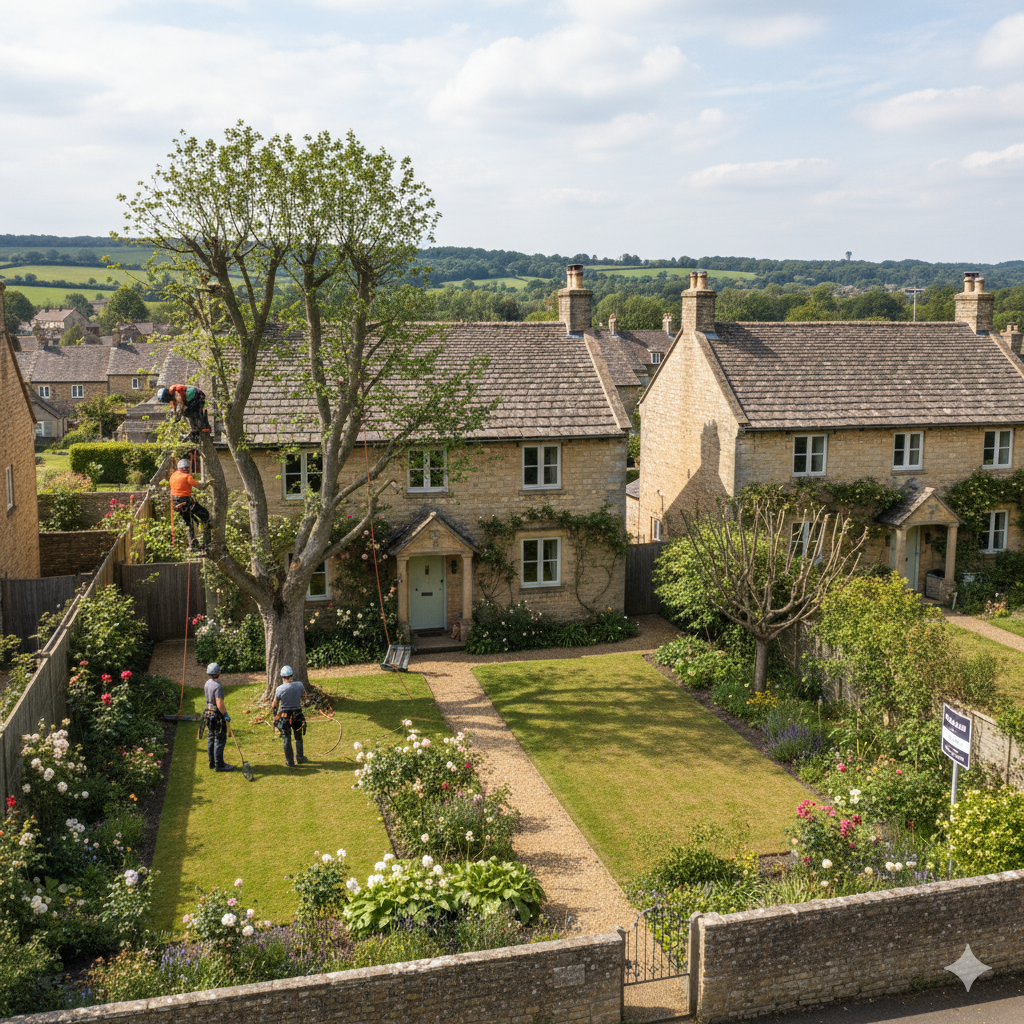
Estate agents often cite “kerb appeal” as the primary factor in how quickly a home sells. A garden framed by healthy, expertly shaped trees creates an immediate sense of maturity and prestige.
-
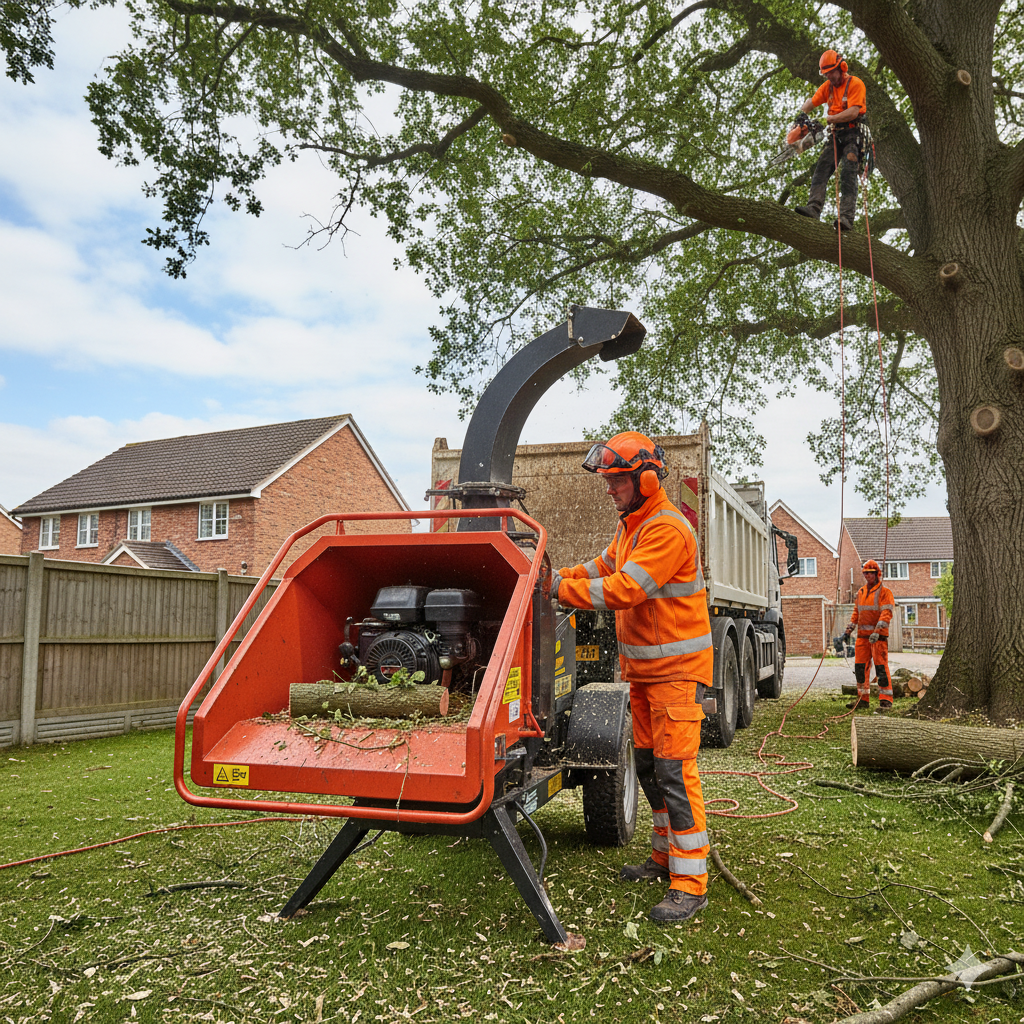
Canopy Shaping: Professional pruning ensures trees complement the architecture of the house rather than obscuring it.
-
Light Optimisation: Techniques like crown thinning or crown lifting allow more natural light to reach the windows and garden turf, making the entire property feel brighter and more spacious.
-
The “Established” Feel: New-build properties often look bare. A mature, well-cared-for tree signals to buyers that the home is part of a stable, long-standing environment.
2. Risk Mitigation and Liability Reduction
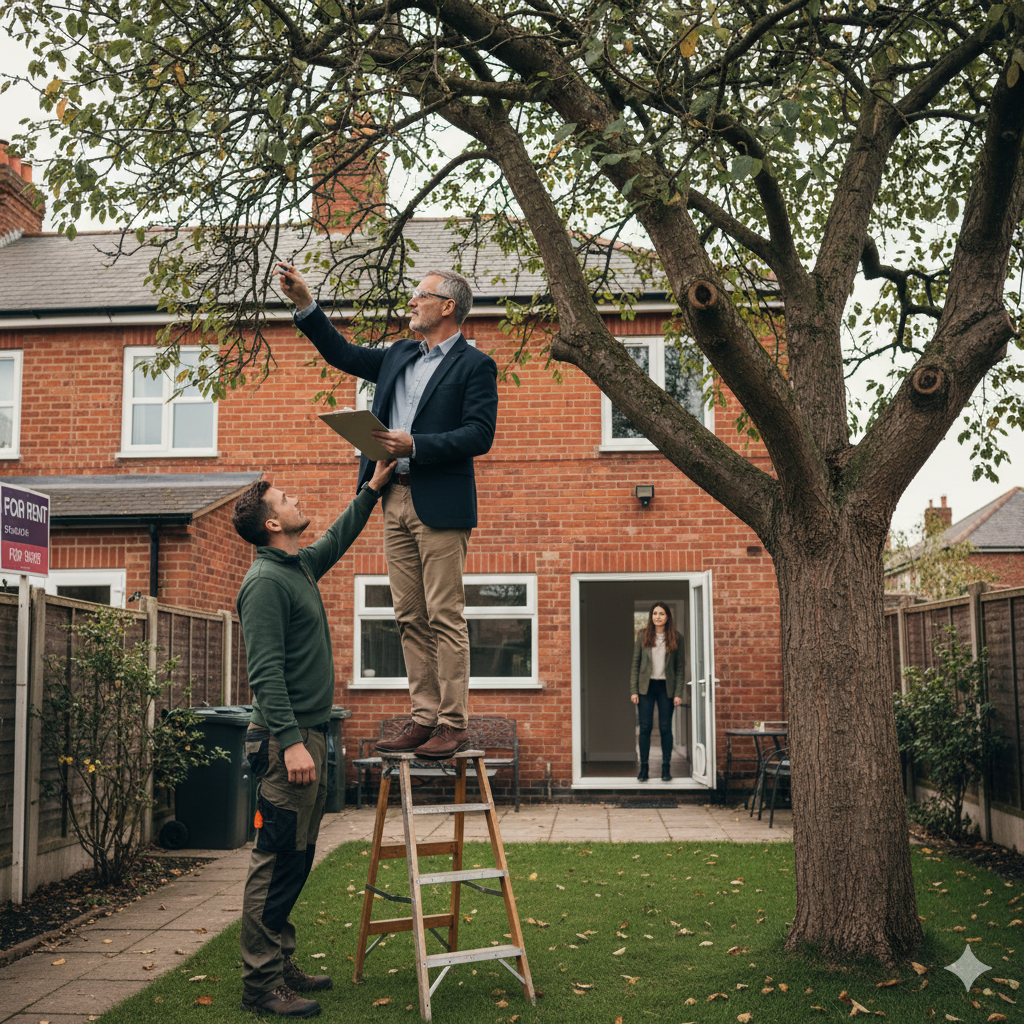
For a savvy buyer, a neglected tree isn’t a feature—it’s a future bill. Overgrown branches overhanging a roof or a visible “lean” can be major red flags during a RICS home survey.
By implementing a regular tree management plan, you eliminate these concerns:
-
Structural Integrity: Removing deadwood and diseased limbs prevents damage to roofs, gutters, and parked cars during the UK’s increasingly frequent winter storms.
-
Survey Success: A professional tree report can reassure buyers and mortgage lenders that the trees do not pose a subsidence risk or a threat to the property’s foundations.
-
Legal Peace of Mind: Demonstrating that you have met your “Duty of Care” avoids potential legal disputes with neighbours over encroaching roots or overhanging branches.
3. Financial Benefits Beyond the Sale Price
The value added by trees isn’t just reflected in the asking price; it also appears in reduced monthly outgoings.
| Feature | Financial Impact |
| Energy Efficiency | Strategically placed deciduous trees provide shade in summer (reducing cooling needs) and act as windbreaks in winter (lowering heating bills). |
| Privacy Screening | Natural “living fences” are often more desirable and durable than wooden fencing, which requires constant staining and replacement. |
| Flood Resilience | Mature trees can intercept thousands of litres of rainwater, reducing the pressure on property drainage systems during heavy downpours. |
4. Environmental Value and Biodiversity
Modern UK buyers, particularly younger generations, are increasingly “eco-conscious.” A property that supports local biodiversity is seen as more desirable.
Healthy trees provide essential habitats for British wildlife, from nesting blue tits to pollinating insects. Effective tree management ensures these trees remain healthy for decades, contributing to the local ecosystem and the “natural capital” of your post code.
The Cost of Neglect
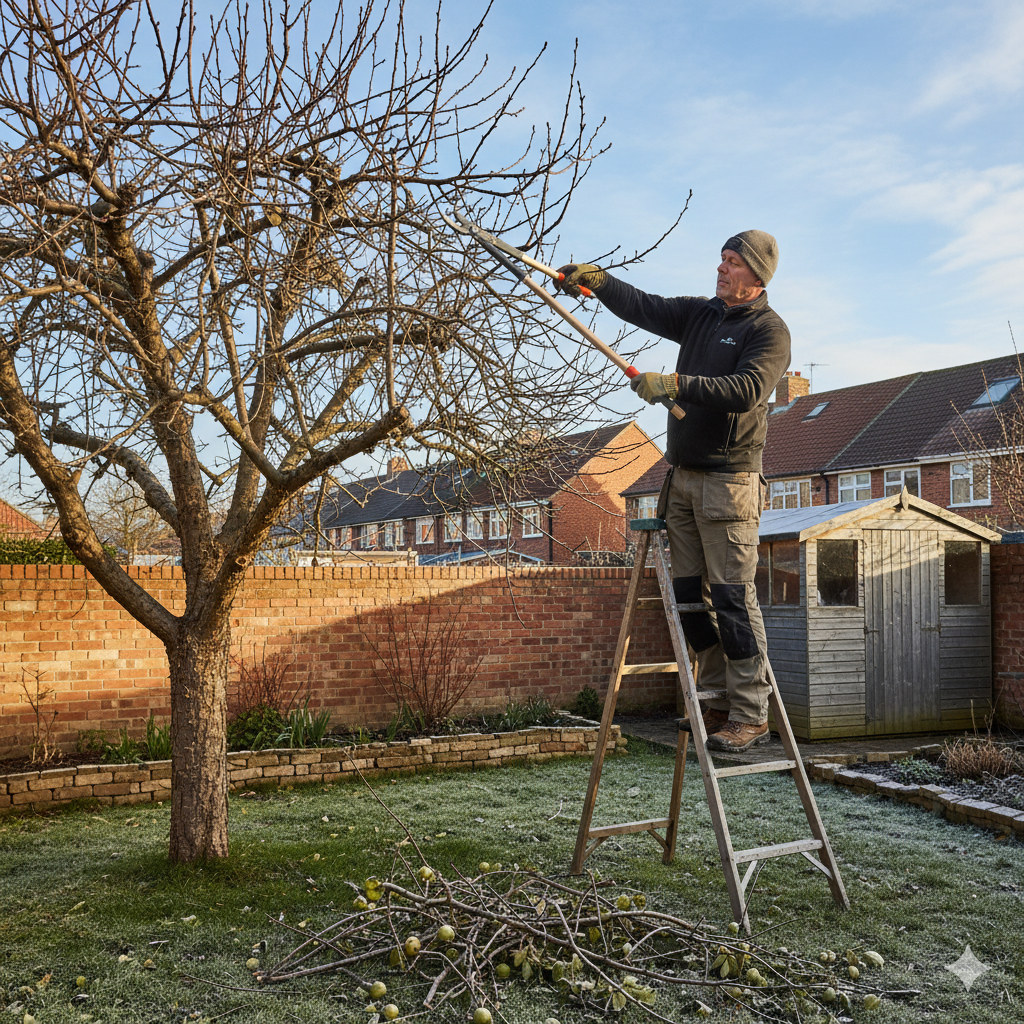
It is important to remember that tree care is a “proactive” rather than “reactive” task. A small investment in annual pruning or a health check by a qualified arborist is significantly cheaper than:
-
Emergency Tree Removal: Often 50% more expensive than planned maintenance.
-
Structural Repairs: Fixing a roof damaged by a fallen limb.
-
Lost Sales: Buyers walking away because a survey flagged a “dangerous” tree.
Summary
In the UK, trees are not just part of the scenery—they are infrastructure. High-quality tree management ensures that your trees remain an asset that grows in value every year. Whether you are looking to sell in the near future or simply want to protect your long-term investment, professional tree care is one of the most effective home improvements you can make.